
正在阅读:

隐藏在《清明上河图》里的“整形技艺”,再现江湖

扫一扫下载界面新闻APP

隐藏在《清明上河图》里的“整形技艺”,再现江湖

锔瓷,通过简单的工具,复杂的手艺,不但没有刻意隐藏缺陷,反而用闪亮的金属在不完美处进行修饰,赋予第二次生命,这是就是锔瓷的魅力,也是我们民族民间文化技艺的特色。

“没有金刚钻,别揽瓷器活”,通常是告诫别人“能力不够的话,别急着出头”。某天胡同口遇见“锔碗儿”的师傅,说起来,才知道这句俗语来源于传统瓷器修复——锔瓷。从小到大“锔锅锔碗锔大缸”的吆喝声历历耳边,每当吆喝声响起,附近的居民便会拿出家里破碎的锅碗瓢盆请锔瓷艺人进行修补。看来这好手艺和生活真心是离不开的,处处留心皆学问。

“If you don’t have the diamond, then don’t take on the porcelain work”. This is usually used to warn people if one doesn’t have the ability, then don’t be worry to show off. I didn’t know where this saying comes from until I had met a curium porcelain expert in a Hotong , that is the curium porcelain, which is a traditional craft to repair porcelains. In our childhood, the sound of yo-heave-ho were all around, which is a traditional Chinese custom when selling things on the street, and so was the curium porcelain that when there came the yo-heave-ho, people would go out to the porcelain craftsman to repair their porcelain containers. It seems that these good workmanship is really close to life, and if we are aware to notice more, then we will learn a lot.
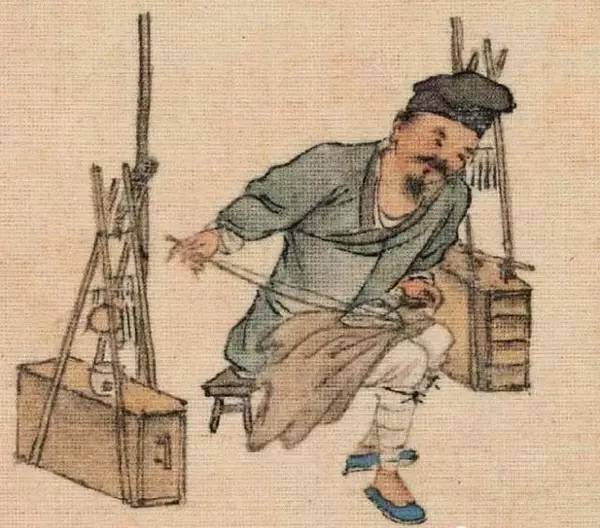
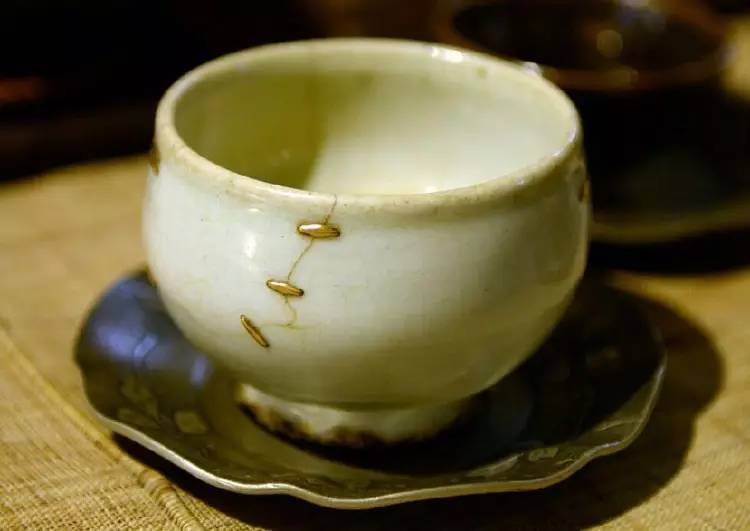
锔瓷具体的起始时间无从考究,最早的资料来源于宋朝《清明上河图》里街边“锔瓷”的场景。

When did the curium porcelain start is hard to say, while the earliest material we have found about it is in the painting of "Qingming Festival” of Song Dynasty.

古时候的民风朴素,若是餐具出现裂痕不忍丢弃,或不慎打破传家之宝,都会请锔瓷匠进行补瓷。相传,古时候那些走街串巷的锔瓷匠,完工之后都会拿着修补完成的碗像主人要一碗水喝,边喝边聊天,若是一会儿手中的瓷碗滴水不漏,主人便会笑呵呵的递上工钱。

In the old time, the people were simple and unspoiled that when there was something broken, they would have it repaired. It is said that when a repairman finished one container, they would take it to the owner and ask for a bowl of water, talking and drinking, if there’s no water linking out, the owner would give the wage with smiles to the craftsman.
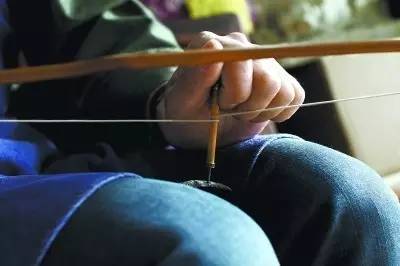
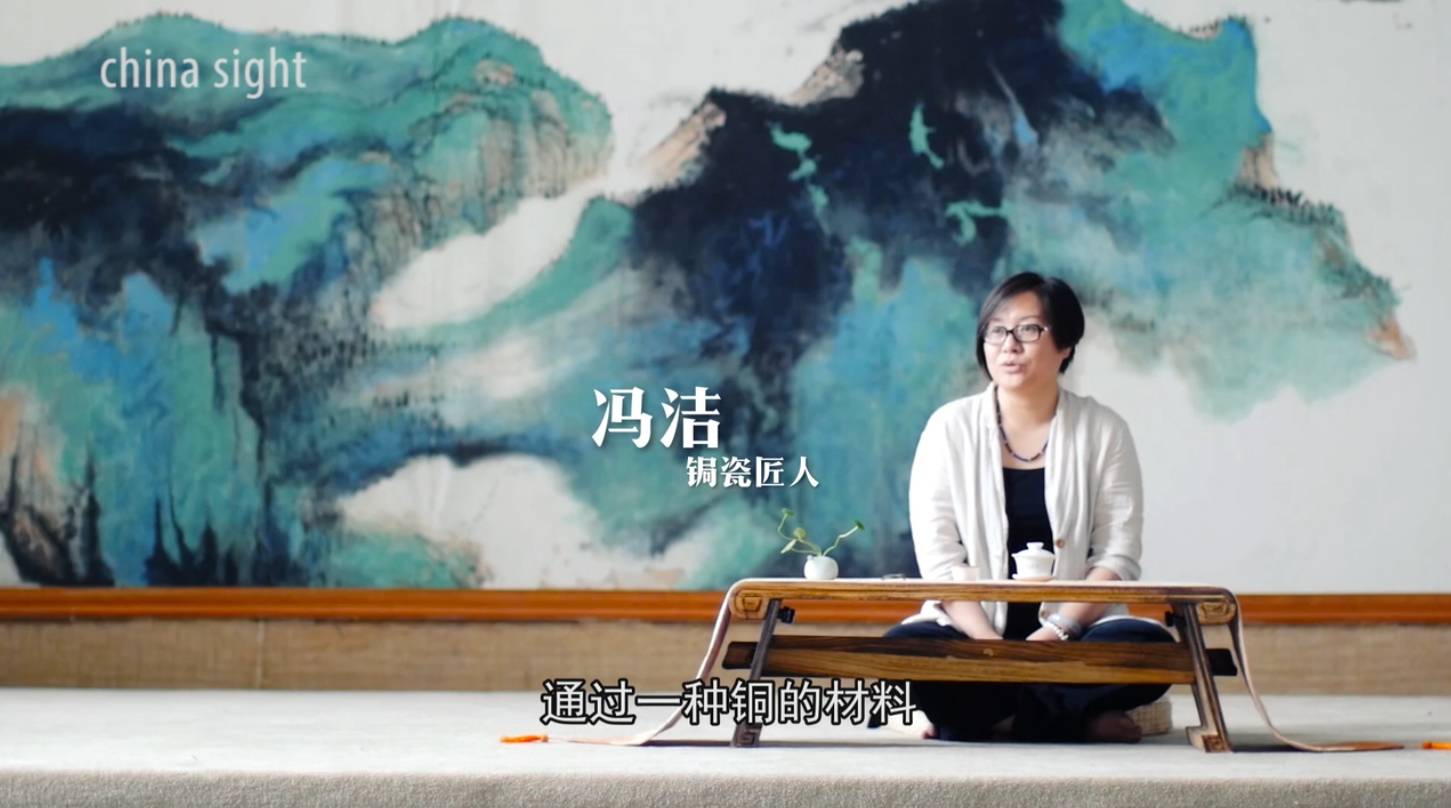
“锔瓷,就是把破碎的瓷器拼好,用金刚钻钻孔再用锔钉嵌住抓牢,使其恢复原样,既能再使用,又具有观赏价值。”这句话说起来简单,实际操作起来却需要实实在在的工艺技巧,来自杭州钱塘江畔的冯洁,在自己的工作室里,正在努力地学习门即将失传的手艺。

“Curium porcelain is to fit the fragments together, and then drill it with diamond and embedded tightly into the porcelain to make it as the origin, which can be used as well as being enjoyed.” It's simple to describe but when put it into practice, the true skills and talent are necessary. Feng Jie who comes from Hangzhou is trying hard to learn this craft in his workshop.
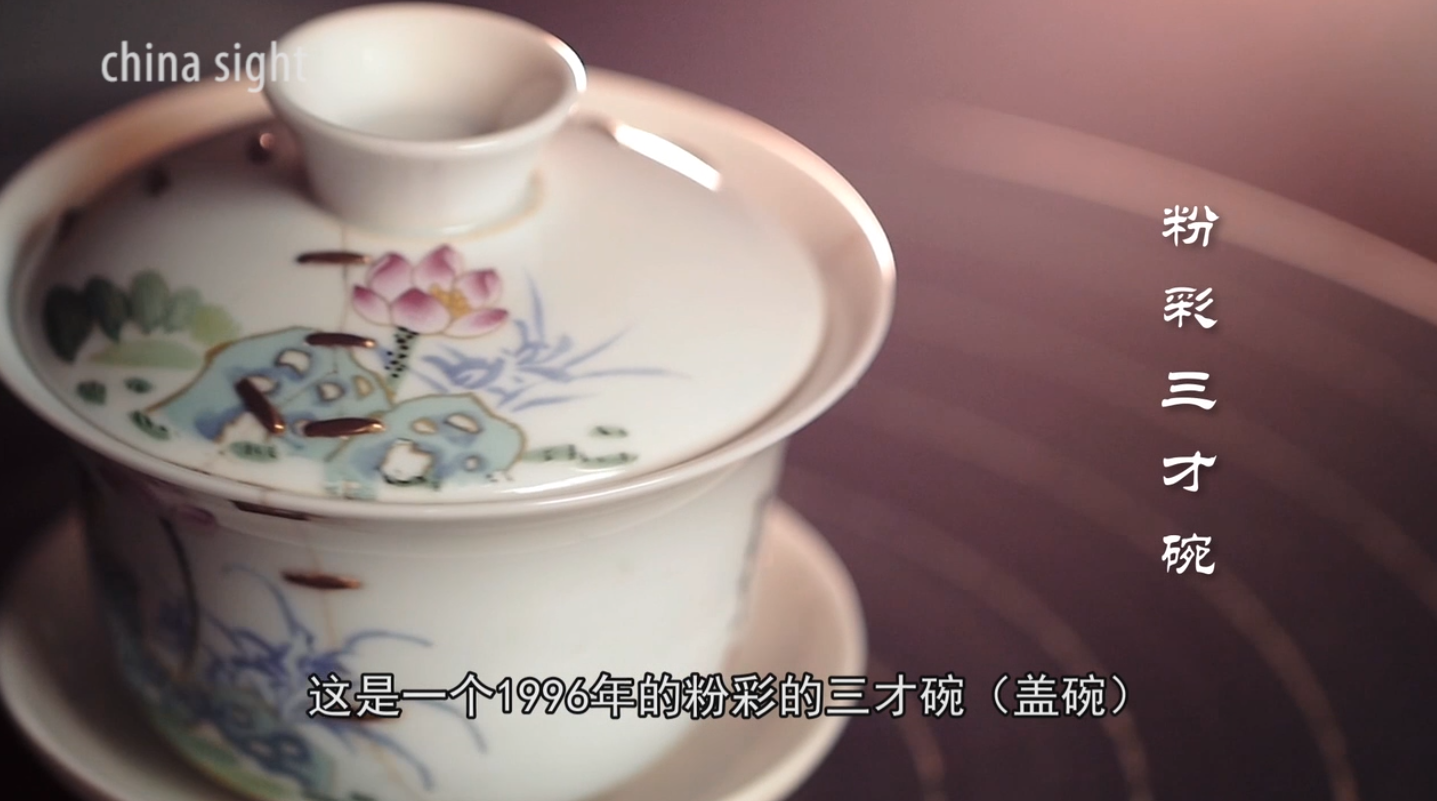
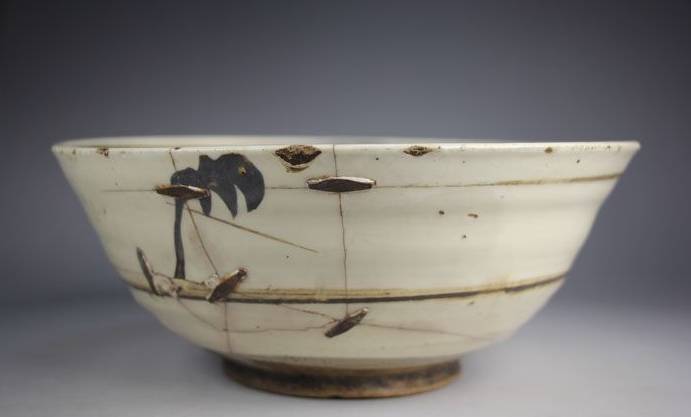
锔瓷手艺,第一步就是找碴、对缝,将破碎的瓷器恢复原状,准备修补。定好锔钉的位置之后,使用金刚钻打孔。由于每件瓷器的厚度、硬度都不相同,打孔的分寸全靠经验的积累,太深太浅都会影响瓷器的修补。深了,容易打穿瓷器,浅了,锔钉不够牢固。

The first step of the curium porcelain is to find the gaps, align the seams, and put it back to normal for the preparation of mending. After fixing the position, you need to drill with the diamond. The thickness and hardness are different on each porcelain, so it all depends on the experience to control the strength. If it’s too deep, the porcelain will be penetrated, and if it’s shallow, the curium nails will be unfixed.
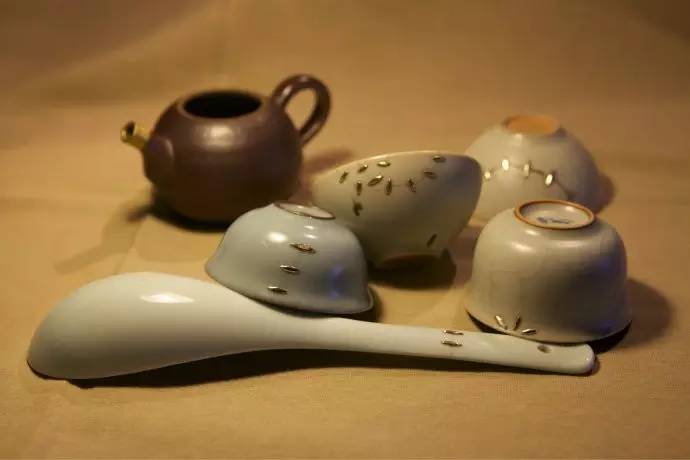
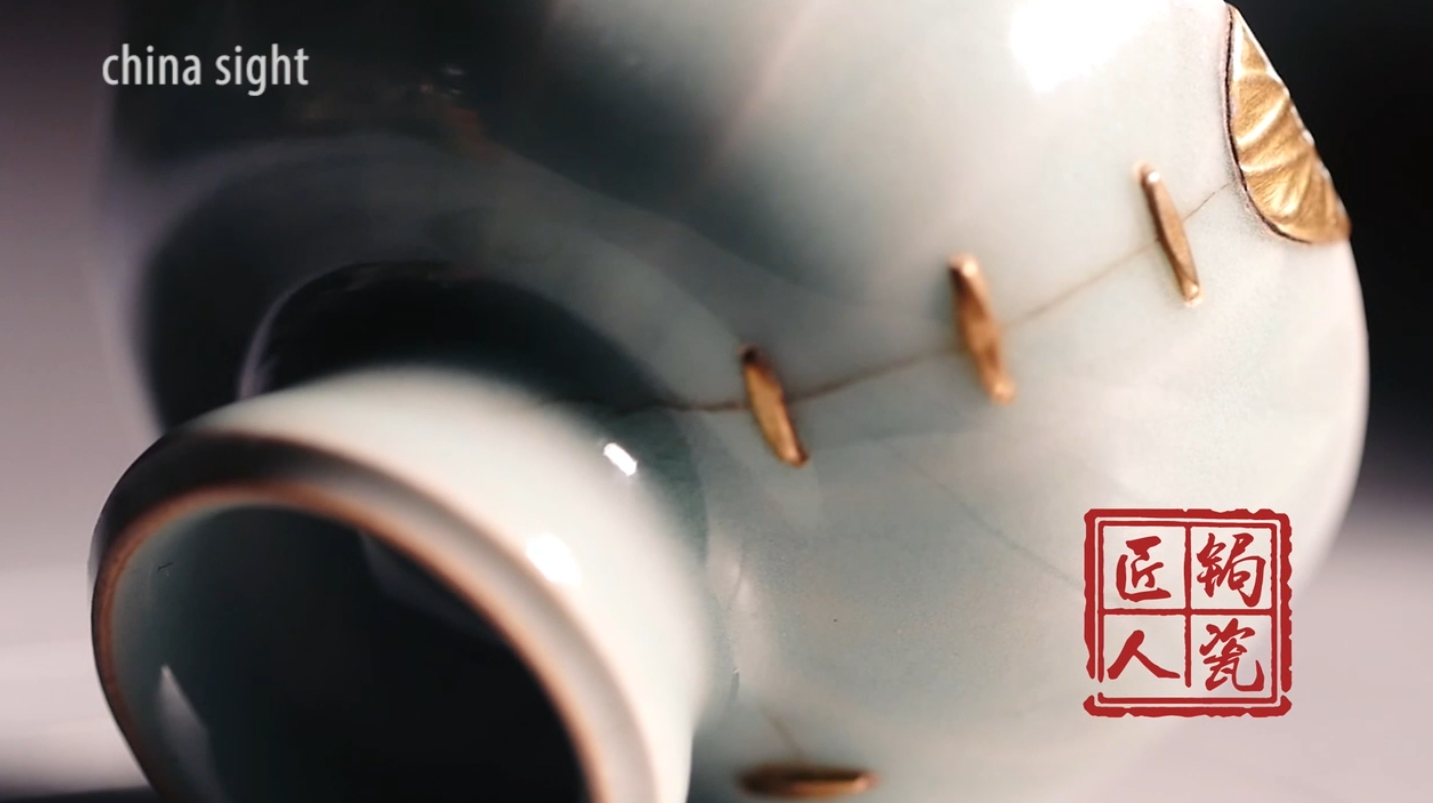
锔瓷匠人修补瓷器,不光是修补事物本身,更是修补一份破损的情感。冯洁的第一件作品,是印泥盒。这件瓷器是她的爷爷留给她父亲的,有一次父亲不小心将瓷器打碎了,冯洁锔好后,她的父亲便留给了她。对冯洁来说,锔瓷,不光是完成一项工作,更是承载了她对亲人的思念。

The craftsman of repairing curium porcelains is not only about repairing the porcelain itself, but more about repairing a broken relationship. The first work of Feng Jie is an inkpad box, which was from his grandpa, and his grandpa gave it to his father. One day his father broke it, and it was repaired by Feng Jie, then it’s passed to him. So for him, the work of curium porcelain conveys the memories of his relatives.
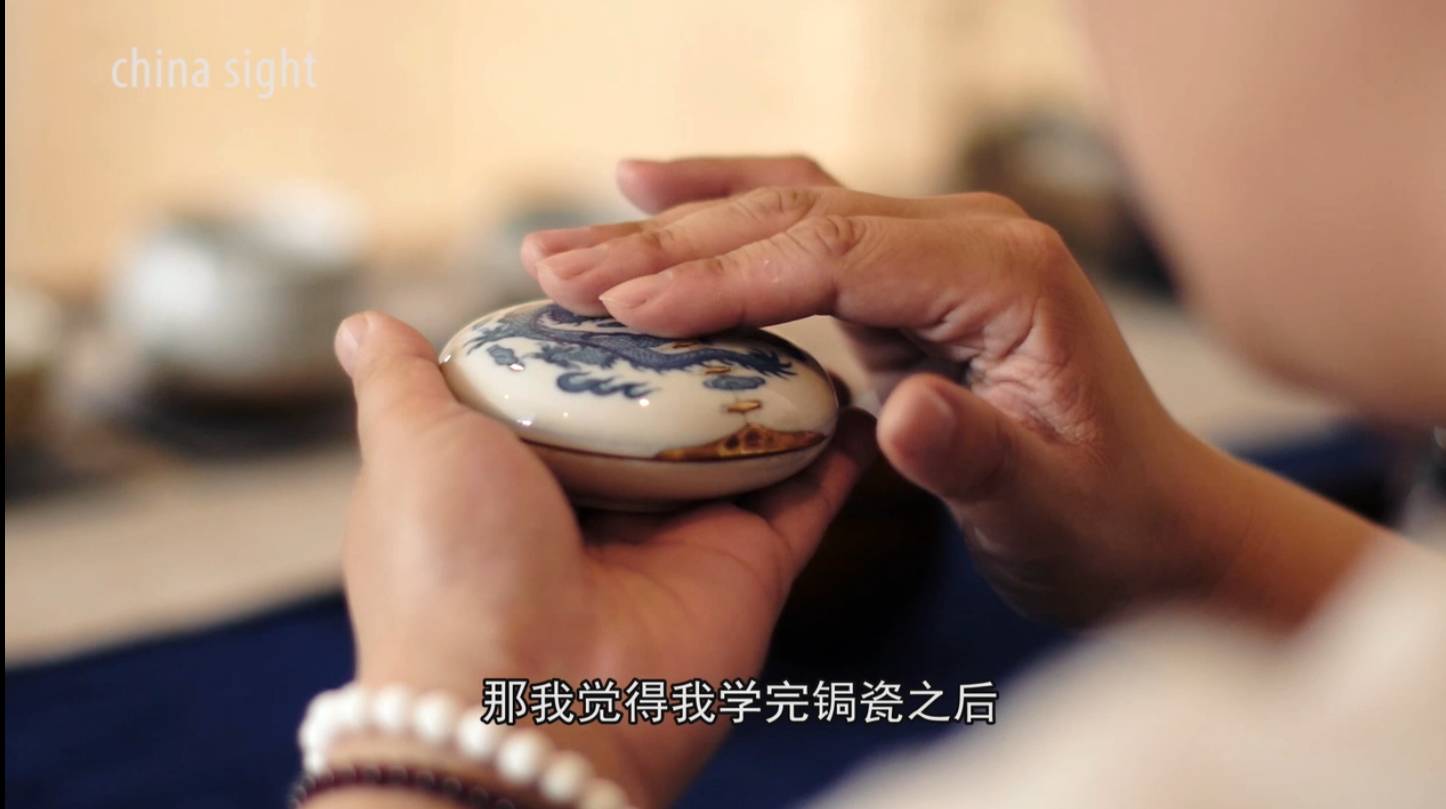
锔瓷匠修补后的瓷器,不仅滴水不漏,还充满了美感。从古代开始,锔瓷匠便试着将锔钉拼成如竹叶、梅花、荷花等美轮美奂的图案,让一件破损的瓷器重新焕发生机、熠熠生辉。明清时代,有些人为了美感,故意将品相完好的紫砂壶装上豆子,再倒入水撑裂,然后锔出特定的图案来,以此来把玩。

The repaired porcelain is watertight and beautiful. From the old time, the craftsmen have been trying to present them as bamboos, plum blossoms, and lotuses, which made the broken containers into beautiful and sparkling artifacts.
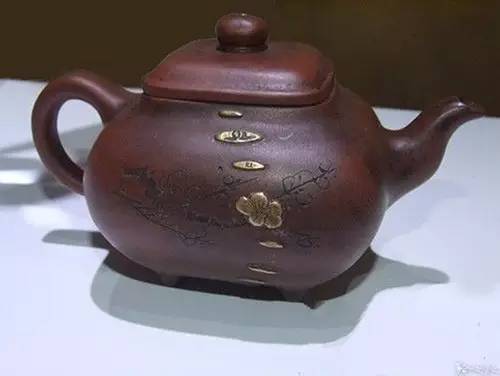
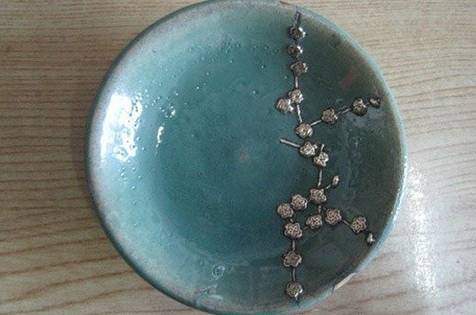
对待艺术品的态度,我们往往都是苛求完美。任何细小的瑕疵都会使人如鲠在喉,却又弃之可惜。而锔瓷,通过简单的工具,复杂的手艺,不但没有刻意隐藏缺陷,反而用闪亮的金属在不完美处进行修饰,赋予第二次生命,这是就是锔瓷的魅力,也是我们民族民间文化技艺的特色。

We are usually strict on the artifacts that any small flaw will make people feel uncomfortable that hard to decide whether throw it or keep it. While for curium porcelains, there are no complex tools and process, and it doesn’t intend to hide the flaws, but it makes the most of the flaws to decorate with the sparkling metals, and gives a second life to them. This is the charm of curium porcelains, which is also our special national folk arts passed to today.
撰稿:心尘,译者:尚小桦

本文为转载内容,授权事宜请联系原著作权人。

评论

暂无评论哦,快来评价一下吧!

下载界面新闻

微信公众号

微博

隐藏在《清明上河图》里的“整形技艺”,再现江湖

锔瓷,通过简单的工具,复杂的手艺,不但没有刻意隐藏缺陷,反而用闪亮的金属在不完美处进行修饰,赋予第二次生命,这是就是锔瓷的魅力,也是我们民族民间文化技艺的特色。

“没有金刚钻,别揽瓷器活”,通常是告诫别人“能力不够的话,别急着出头”。某天胡同口遇见“锔碗儿”的师傅,说起来,才知道这句俗语来源于传统瓷器修复——锔瓷。从小到大“锔锅锔碗锔大缸”的吆喝声历历耳边,每当吆喝声响起,附近的居民便会拿出家里破碎的锅碗瓢盆请锔瓷艺人进行修补。看来这好手艺和生活真心是离不开的,处处留心皆学问。

“If you don’t have the diamond, then don’t take on the porcelain work”. This is usually used to warn people if one doesn’t have the ability, then don’t be worry to show off. I didn’t know where this saying comes from until I had met a curium porcelain expert in a Hotong , that is the curium porcelain, which is a traditional craft to repair porcelains. In our childhood, the sound of yo-heave-ho were all around, which is a traditional Chinese custom when selling things on the street, and so was the curium porcelain that when there came the yo-heave-ho, people would go out to the porcelain craftsman to repair their porcelain containers. It seems that these good workmanship is really close to life, and if we are aware to notice more, then we will learn a lot.

锔瓷具体的起始时间无从考究,最早的资料来源于宋朝《清明上河图》里街边“锔瓷”的场景。

When did the curium porcelain start is hard to say, while the earliest material we have found about it is in the painting of "Qingming Festival” of Song Dynasty.

古时候的民风朴素,若是餐具出现裂痕不忍丢弃,或不慎打破传家之宝,都会请锔瓷匠进行补瓷。相传,古时候那些走街串巷的锔瓷匠,完工之后都会拿着修补完成的碗像主人要一碗水喝,边喝边聊天,若是一会儿手中的瓷碗滴水不漏,主人便会笑呵呵的递上工钱。

In the old time, the people were simple and unspoiled that when there was something broken, they would have it repaired. It is said that when a repairman finished one container, they would take it to the owner and ask for a bowl of water, talking and drinking, if there’s no water linking out, the owner would give the wage with smiles to the craftsman.

“锔瓷,就是把破碎的瓷器拼好,用金刚钻钻孔再用锔钉嵌住抓牢,使其恢复原样,既能再使用,又具有观赏价值。”这句话说起来简单,实际操作起来却需要实实在在的工艺技巧,来自杭州钱塘江畔的冯洁,在自己的工作室里,正在努力地学习门即将失传的手艺。

“Curium porcelain is to fit the fragments together, and then drill it with diamond and embedded tightly into the porcelain to make it as the origin, which can be used as well as being enjoyed.” It's simple to describe but when put it into practice, the true skills and talent are necessary. Feng Jie who comes from Hangzhou is trying hard to learn this craft in his workshop.

锔瓷手艺,第一步就是找碴、对缝,将破碎的瓷器恢复原状,准备修补。定好锔钉的位置之后,使用金刚钻打孔。由于每件瓷器的厚度、硬度都不相同,打孔的分寸全靠经验的积累,太深太浅都会影响瓷器的修补。深了,容易打穿瓷器,浅了,锔钉不够牢固。

The first step of the curium porcelain is to find the gaps, align the seams, and put it back to normal for the preparation of mending. After fixing the position, you need to drill with the diamond. The thickness and hardness are different on each porcelain, so it all depends on the experience to control the strength. If it’s too deep, the porcelain will be penetrated, and if it’s shallow, the curium nails will be unfixed.

锔瓷匠人修补瓷器,不光是修补事物本身,更是修补一份破损的情感。冯洁的第一件作品,是印泥盒。这件瓷器是她的爷爷留给她父亲的,有一次父亲不小心将瓷器打碎了,冯洁锔好后,她的父亲便留给了她。对冯洁来说,锔瓷,不光是完成一项工作,更是承载了她对亲人的思念。

The craftsman of repairing curium porcelains is not only about repairing the porcelain itself, but more about repairing a broken relationship. The first work of Feng Jie is an inkpad box, which was from his grandpa, and his grandpa gave it to his father. One day his father broke it, and it was repaired by Feng Jie, then it’s passed to him. So for him, the work of curium porcelain conveys the memories of his relatives.

锔瓷匠修补后的瓷器,不仅滴水不漏,还充满了美感。从古代开始,锔瓷匠便试着将锔钉拼成如竹叶、梅花、荷花等美轮美奂的图案,让一件破损的瓷器重新焕发生机、熠熠生辉。明清时代,有些人为了美感,故意将品相完好的紫砂壶装上豆子,再倒入水撑裂,然后锔出特定的图案来,以此来把玩。

The repaired porcelain is watertight and beautiful. From the old time, the craftsmen have been trying to present them as bamboos, plum blossoms, and lotuses, which made the broken containers into beautiful and sparkling artifacts.

对待艺术品的态度,我们往往都是苛求完美。任何细小的瑕疵都会使人如鲠在喉,却又弃之可惜。而锔瓷,通过简单的工具,复杂的手艺,不但没有刻意隐藏缺陷,反而用闪亮的金属在不完美处进行修饰,赋予第二次生命,这是就是锔瓷的魅力,也是我们民族民间文化技艺的特色。

We are usually strict on the artifacts that any small flaw will make people feel uncomfortable that hard to decide whether throw it or keep it. While for curium porcelains, there are no complex tools and process, and it doesn’t intend to hide the flaws, but it makes the most of the flaws to decorate with the sparkling metals, and gives a second life to them. This is the charm of curium porcelains, which is also our special national folk arts passed to today.

撰稿:心尘,译者:尚小桦

本文为转载内容,授权事宜请联系原著作权人。